❈ Laminate Flooring

❈ Hickory Laminate Flooring
▸ Planks: 8.03" W x 47.64" L x 0.275" thick▸ 23.91 sq. ft. / per case
▸ Case weight: 30.73 lbs.
▸ Easy to install with Angle Tap Lock technology
▸ Micro beveled edge
▸ Provides superior protection from everyday wear and tear
▸ Sweep and light damp mopping as needed
▸ Can be installed over both concrete and wooden sub floors
▸ View Larger Image

▸ Buy @ Amazon.com
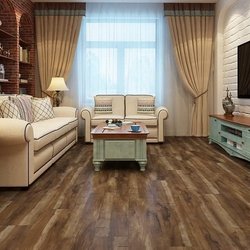
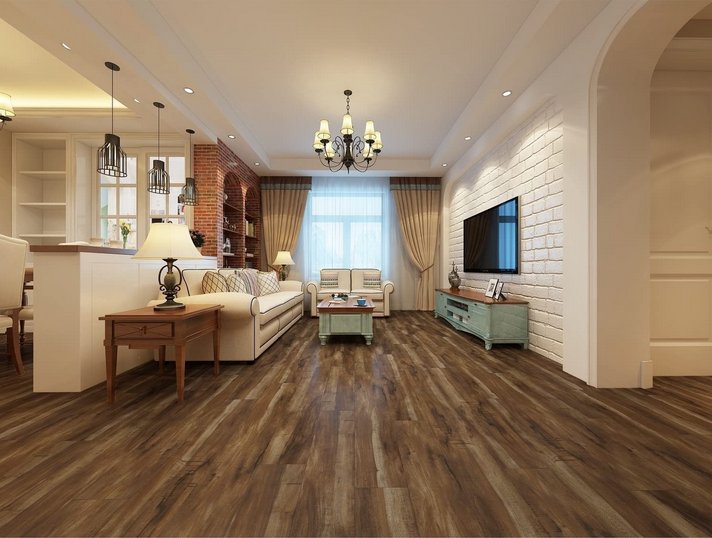
❈ Mesquite Laminate Flooring
▸ Features Beautiful Mesquite finish▸ Natural wood texture
▸ Easy to clean
▸ Scratch Resistant
▸ Formaldehyde Free
▸ Specifications Width: 7.68"
▸ Thickness: 5/16" (8mm), AC Rating: 3
▸ Square Foot Per Carton: 25.51 sq. ft.
▸ View Larger Image
▸ Buy @ Amazon.com
Search Amazon by Keyword

📌 We are a participant in the Amazon Services LLC Associates Program, an affiliate advertising program designed to provide a means for us to earn fees by linking to Amazon.com and affiliated sites.
